A first-timer's guide to Asakusa: where to eat, stay & explore
A practical guide to Asakusa for first-time visitors — how to get there, where to eat, where to stay, and what to explore.
- Place
- Senso-ji Temple (Kaminarimon Gate)
- Nearest
- Asakusa Station (Tokyo Metro Ginza Line / Tobu Skytree Line)
- Walk
- 1 min
Introduction
Asakusa is Tokyo's most intact Edo-period neighbourhood, a place where the city's mercantile and devotional past remains legible in the streetscape rather than confined to a museum. The district grew up around Senso-ji Temple, and that relationship — temple at the centre, commerce radiating outward — still shapes daily life here.
Visitors come for the density of sensory experience: the smell of incense drifting across stone lanterns, narrow lanes lined with craft workshops, and the constant movement of people who are simultaneously local residents, pilgrims, and tourists. That overlap gives Asakusa a lived-in energy that more curated parts of Tokyo can lack.
The neighbourhood also sits at the edge of the Sumida River, which adds a quieter, unhurried dimension. A walk along the riverbank or a short ferry ride puts the temple district's bustle in perspective and reveals a different side of the city.
Getting there and getting around
From central Tokyo, Asakusa is straightforward to reach by subway. The Tokyo Metro Ginza Line runs directly to Asakusa Station from Shibuya and Ueno, typically taking under thirty minutes from either. The Tobu Skytree Line connects the district to Nikko and other destinations north of the city, making Asakusa a practical starting point for day trips. From Narita Airport, a combination of the Narita Express into central Tokyo and a subway transfer is the most common route; allow roughly ninety minutes to two hours depending on connections. From Haneda Airport, the journey is shorter, usually under an hour via subway.
Asakusa's core historic area is compact enough to cover almost entirely on foot, and walking is strongly preferable to any other mode for first-time visitors — the neighbourhood's character is in its alleys and side streets, which are missed from a taxi window. The main temple precinct and Nakamise-dori shopping approach are pedestrianised or low-traffic, making them comfortable even when crowds are moderate. For reaching nearby areas such as Ueno or Akihabara, the subway is fast and reliable. Tokyo Water Bus operates a scenic route along the Sumida River to Hamarikyu Gardens and Odaiba, which functions as both transport and an introduction to the city's riverscape. Bicycle rental is available in the area and suits those who want to explore the quieter residential blocks further from the temple.
Asakusa Kagetsudo — Asakusa (5 min walk)
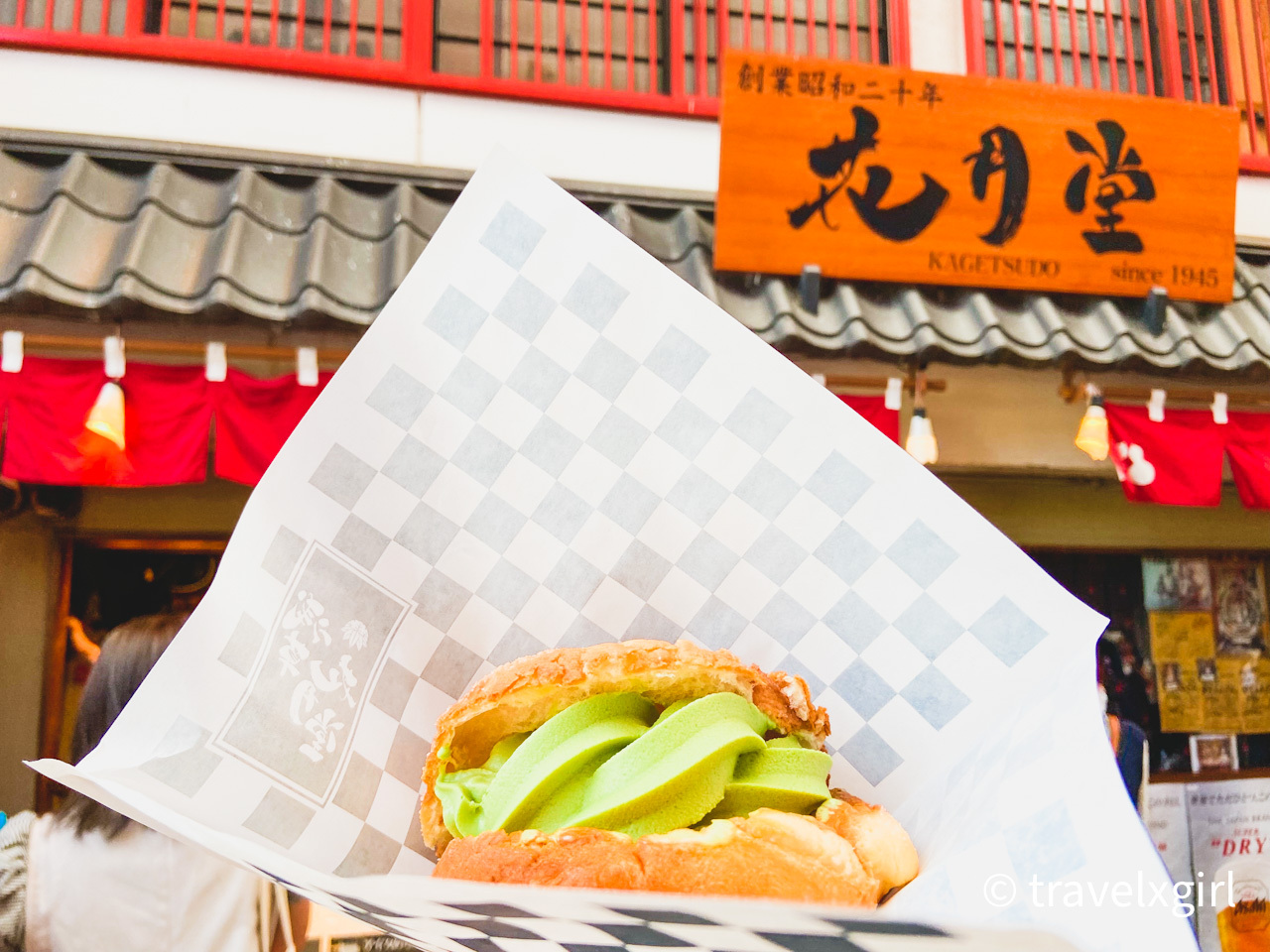
Kagetsudo is a beloved melon pan bakery just a five-minute walk from Asakusa Station.
Iconic giant melon pan baked fresh throughout the day — crispy shell, fluffy interior. Sold at an accessible price point, making it an easy impulse buy. Open storefront lets you watch the baking and grab one on the go. Situated on the edge of the historic Nakamise shopping street near Sensoji Temple.
Just point and pay — it's the perfect grab-and-go snack for exploring Asakusa.
Ryokan Asakusa Shigetsu — Asakusa Station (5 min walk)
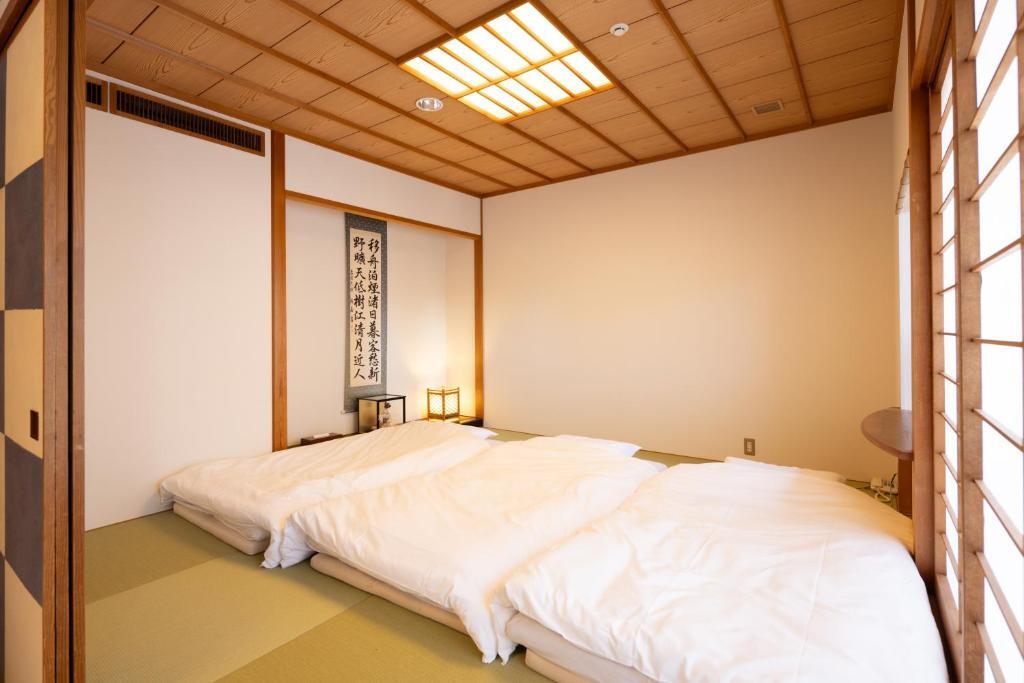
Ryokan Asakusa Shigetsu is a traditional Japanese inn set in the heart of historic Asakusa, Tokyo.
Located just steps from Senso-ji Temple in the heart of historic Asakusa. Traditional tatami-floored Japanese rooms offering an authentic ryokan stay within Tokyo. English-speaking staff on hand to assist international guests throughout their stay. Classic Japanese breakfast served, giving guests a full traditional morning experience. Convenient access to multiple subway lines for easy Tokyo-wide sightseeing.
English-speaking staff and authentic tatami rooms make this a seamless first ryokan experience.
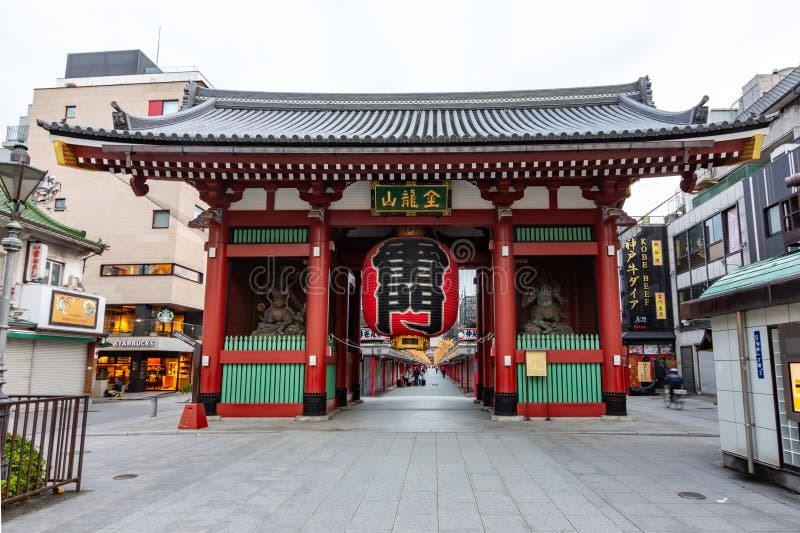
Senso-ji Temple (Kaminarimon Gate) — Asakusa Station (Tokyo Metro Ginza Line / Tobu Skytree Line) (1 min walk)
Senso-ji in Asakusa is Tokyo's oldest Buddhist temple, crowned by the legendary Kaminarimon Gate.
The massive Kaminarimon Gate with its iconic red lantern is one of Tokyo's most recognizable and photographed landmarks. Nakamise-dori shopping street lines the approach with 89 stalls selling traditional snacks, crafts, and souvenirs. Temple grounds are freely accessible around the clock, making early-morning and evening visits especially atmospheric. Traditional experiences such as omikuji fortune-drawing and incense burning offer authentic cultural participation. The surrounding Asakusa district preserves an old-Edo streetscape rare in modern Tokyo, great for extended exploration.
One minute from Asakusa Station, this is the easiest, most photogenic taste of old Edo Tokyo.
When to visit and where to stay
Spring, from late March through early May, draws the largest crowds as cherry blossoms appear along the Sumida River and in nearby Ueno Park; the atmosphere is festive but the neighbourhood is at its most congested. Autumn, from October into November, is widely considered a comfortable season to visit — temperatures are mild, humidity has dropped from summer highs, and the foliage along the river path turns amber and red. Summer in Asakusa is hot and humid, but the district hosts some of Tokyo's most atmospheric traditional festivals, including the Sanja Matsuri in May and fireworks events over the Sumida in late July. Winter is the quietest period, with shorter days and colder temperatures, though the reduced visitor numbers allow for a more reflective experience at the temple grounds, particularly around the New Year period when the area sees a large influx of domestic visitors for the first shrine visit of the year.
Staying within Asakusa itself places visitors within walking distance of the temple and the riverside, and the accommodation character here tends toward the traditional — ryokan and smaller family-run hotels are common, and the neighbourhood has more of this type of lodging than most other central Tokyo districts. The streets immediately surrounding Senso-ji are the most convenient for temple access but can be noisy on busy mornings. The quieter residential pockets a few blocks north and east of the main gate offer a more local atmosphere while remaining walkable to the main sights. For those who want easier access to the broader Tokyo rail network and a slightly more modern streetscape, the Kuramae and Kiyosumi-Shirakawa neighbourhoods to the south are within cycling or walking distance and have seen a wave of independently owned cafes and small hotels open in recent years. Ueno, one subway stop away, provides a wider range of accommodation types and direct rail access to several major transport hubs.