A first-timer's guide to Miyajima Island (Itsukushima Shrine): where to eat, stay & explore
A practical guide to Miyajima Island (Itsukushima Shrine) for first-time visitors — how to get there, where to eat, where to stay, and what to explore.
- Place
- Itsukushima Shrine & Floating O-torii Gate
- Nearest
- Miyajimaguchi Station (JR Sanyo Line) + 10-min ferry to Miyajima Island
- Walk
- 10 min
Introduction
Miyajima Island, formally known as Itsukushima, sits in Hiroshima Bay about an hour from the city center and has long held a place among Japan's most celebrated scenic spots. The island combines active Shinto worship, dense forested hills, and a working waterfront in a way that feels remarkably unhurried given how many visitors it draws.
What makes Miyajima distinctive is the layering of the natural and the sacred. The tidal flats in front of the shrine complex shift the entire character of the shoreline twice a day, and the surrounding mountains offer hiking trails that quickly leave the crowds behind. Deer wander freely through the town, the temple precinct, and even along the ferry pier, lending the island an atmosphere that feels genuinely apart from the mainland.
Visitors often arrive expecting a brief stop and find themselves lingering far longer than planned. The island rewards those who stay overnight, when the day-trip crowds thin and the lantern-lit shrine takes on a quieter, more contemplative quality.
Getting there and getting around
From Hiroshima city, the most straightforward route combines the JR San'yo Line to Miyajimaguchi Station with a short ferry crossing to the island; the total journey runs roughly 30 to 40 minutes from Hiroshima Station. An alternative river cruise departs from the city center and follows the Ota River delta out to the ferry terminal, taking around 90 minutes but offering a different view of the bay. From Osaka or Kyoto, the Shinkansen reaches Hiroshima in under two hours, making a day trip feasible, though an overnight stay allows a more complete experience. The ferry itself runs frequently throughout the day and into the evening, operated by two competing companies whose services alternate at the pier.
Miyajima is a small island, and the main areas of interest — the shrine precincts, the main shopping street, the ropeway base station, and most accommodations — are all reachable on foot from the ferry pier within 10 to 20 minutes. There is no need for taxis or buses for the majority of visits. The ropeway provides access to the upper slopes of Mount Misen, the island's central peak, and from the top station a hiking trail continues to the summit. The terrain along the waterfront is flat and easy; the mountain paths involve more elevation and can be muddy after rain, so sturdy footwear is worth considering for anyone planning to hike.
Street Oyster Grills (near Miyajima Ferry Terminal) — Miyajimaguchi Station (JR San'yō Line) (3 min walk)
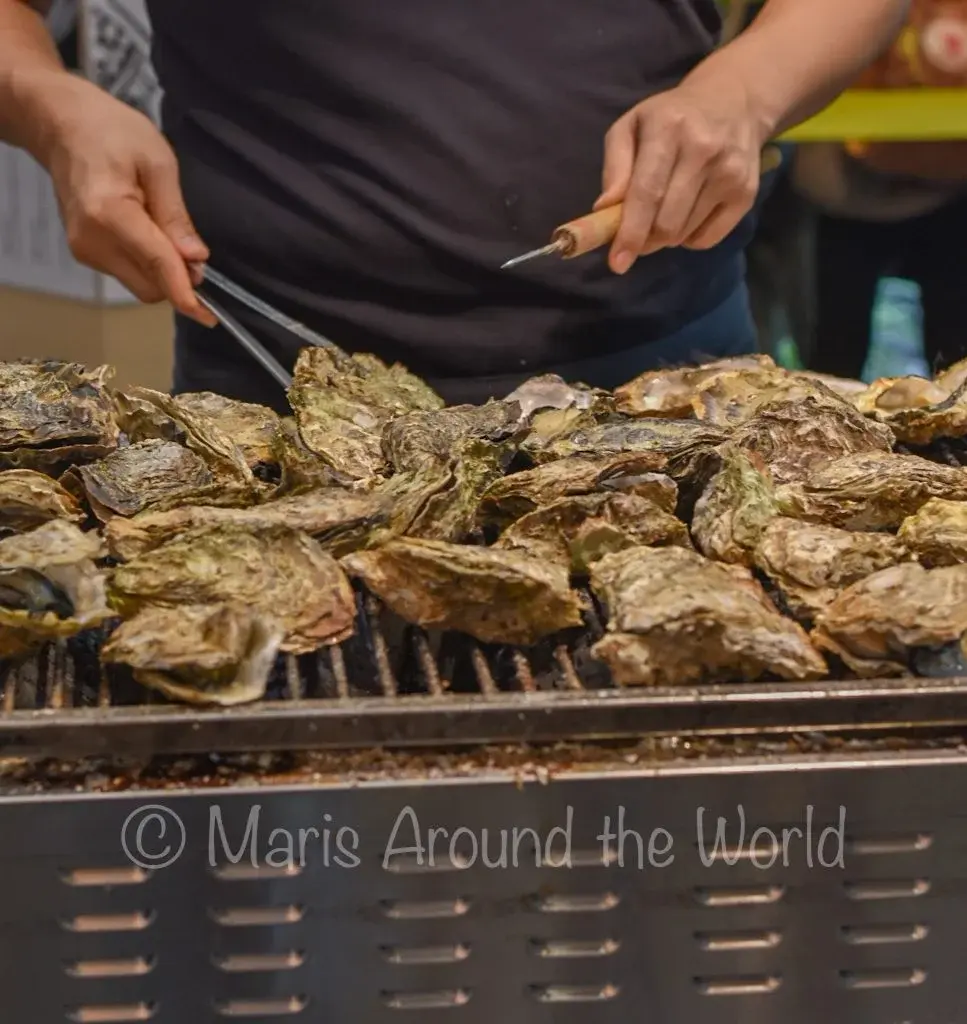
Street Oyster Grills sit just three minutes on foot from Miyajimaguchi Station, right at the Miyajima ferry pier.
Fresh local Hiroshima oysters grilled to order over open charcoal right on the street. Casual open-air setup lets you eat while soaking in views of the ferry pier. Hiroshima is one of Japan's top oyster-producing regions, and the seaside location means maximum freshness. Simple, affordable snack format — no reservation, no sit-down formality required.
Grab a grilled oyster, then hop the ferry straight to UNESCO World Heritage Miyajima Island.
Iwaso Ryokan — Miyajimaguchi Station (JR San'yō Line) + Miyajima Ferry (15 min walk)
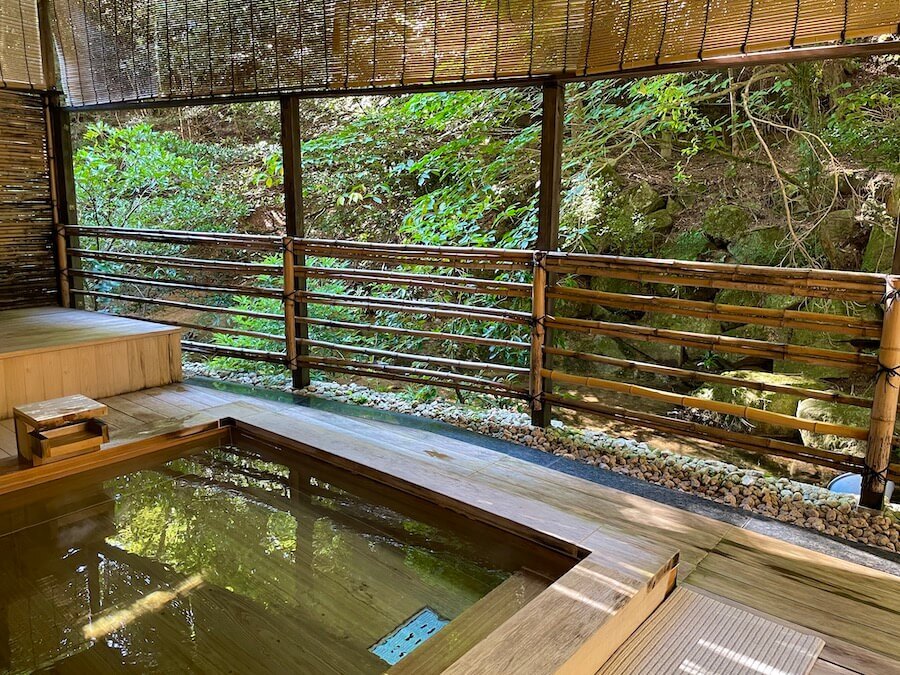
Iwaso Ryokan is a 160-year-old traditional inn on scenic Miyajima Island, Hiroshima.
Historic ryokan with over 160 years of heritage on Miyajima Island. Open-air hot spring baths set within a peaceful maple-tree garden. Traditional kaiseki multi-course dinners using seasonal Hiroshima ingredients. Tranquil riverside grounds where wild deer roam freely alongside guests. Immediate access to Itsukushima Shrine and the famous floating torii gate.
Stay overnight on Miyajima Island, just steps from Japan's iconic floating torii gate.
Itsukushima Shrine & Floating O-torii Gate — Miyajimaguchi Station (JR Sanyo Line) + 10-min ferry to Miyajima Island (10 min walk)
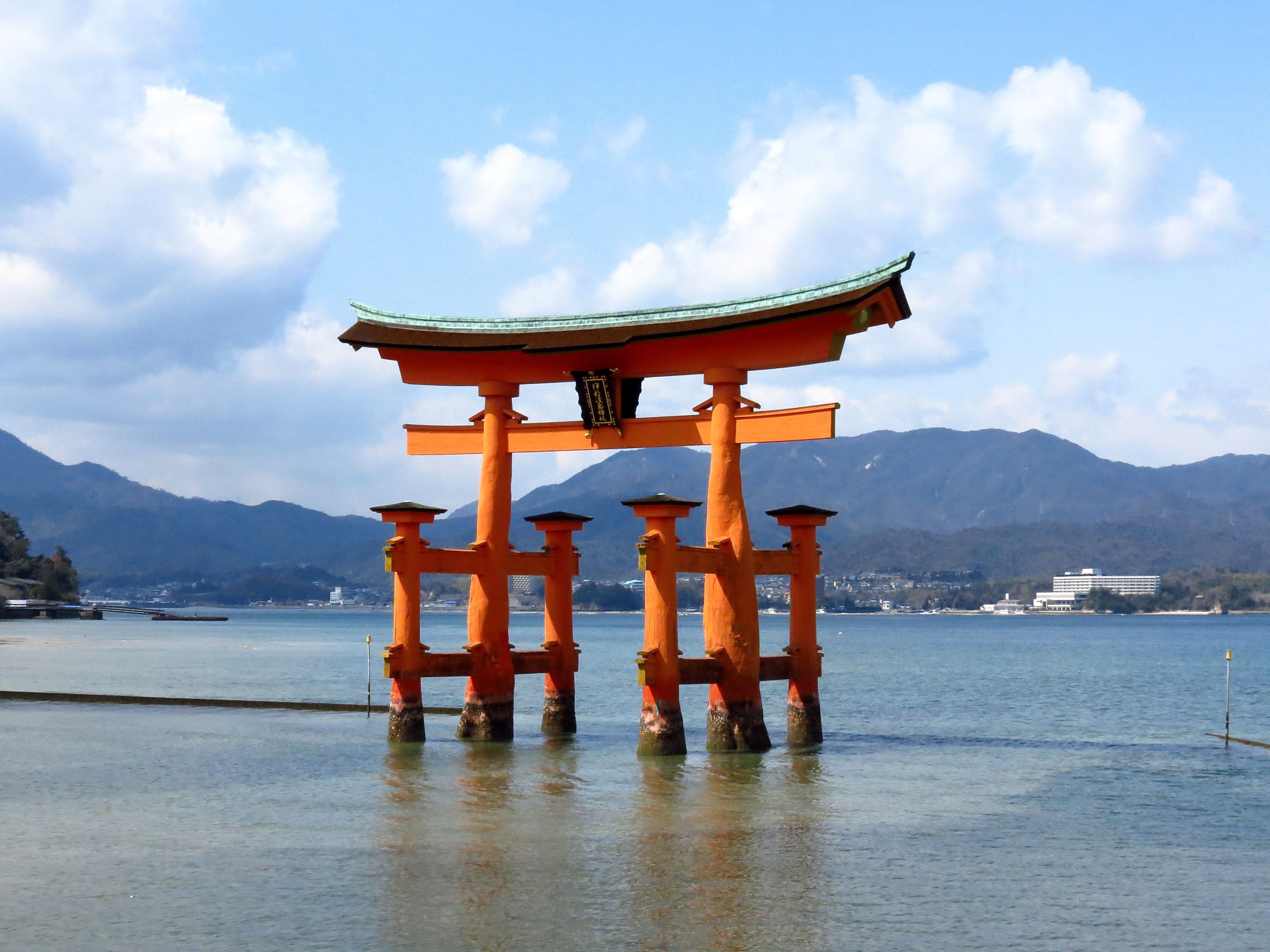
Itsukushima Shrine is a UNESCO World Heritage floating shrine on Miyajima Island near Hiroshima.
The iconic vermilion torii gate appears to float on the sea at high tide, creating a breathtaking scene. The shrine complex itself is built over the water, giving a magical floating effect unique in Japan. Free-roaming deer wander the island alongside visitors, adding a serene, otherworldly atmosphere. The whole island is a UNESCO World Heritage Site, with historic pagodas and forested hills to explore. A visit typically takes 2–3 hours, making it a very manageable half-day trip from Hiroshima.
Easy by JR ferry from Hiroshima, it delivers Japan's most iconic photo in under an hour.
When to visit and where to stay
Autumn, roughly mid-October through late November, draws many visitors for the maple foliage, which turns the hillsides above the shrine a deep red and orange; the combination of colored leaves and the vermilion shrine architecture is particularly striking. Spring brings cherry blossoms, typically in late March to early April, and moderate temperatures that make extended walking comfortable. Summer is humid and warm, peak season for family travel, and early morning visits reward those who arrive before the largest crowds. Winter sees far fewer visitors, cooler and sometimes overcast conditions, and an opportunity to experience the island in a quieter mood; oyster season is at its height during these months, making it a strong option for visitors focused on local food. The tidal schedule matters regardless of season — checking high tide times before arrival allows visitors to plan for the most dramatic views of the floating gate.
Staying on the island itself rather than commuting from Hiroshima changes the experience significantly. The small cluster of inns and ryokan along the forested southern shore offer a quieter atmosphere, and guests who remain after the last large ferry departures enjoy the shrine precincts with very few other visitors. The area immediately behind the main shopping street, sheltered by trees and close to several smaller temples, suits those who want to be within easy walking distance of the shrine complex and the waterfront. For visitors more focused on hiking or the upper mountain trails, accommodations positioned slightly away from the waterfront and closer to the ropeway base station reduce morning travel time. The mainland town of Miyajimaguchi offers a wider range of lodging styles at varied price points, with ferry access to the island throughout the day, making it a practical base for those prioritizing comfort or specific amenities over the island-stay experience.