A first-timer's guide to Osaka Castle: where to eat, stay & explore
A practical guide to Osaka Castle for first-time visitors — how to get there, where to eat, where to stay, and what to explore.
- Place
- Osaka Castle
- Nearest
- Osakajojo-Koen (JR Osaka Loop Line)
- Walk
- 5 min
Introduction
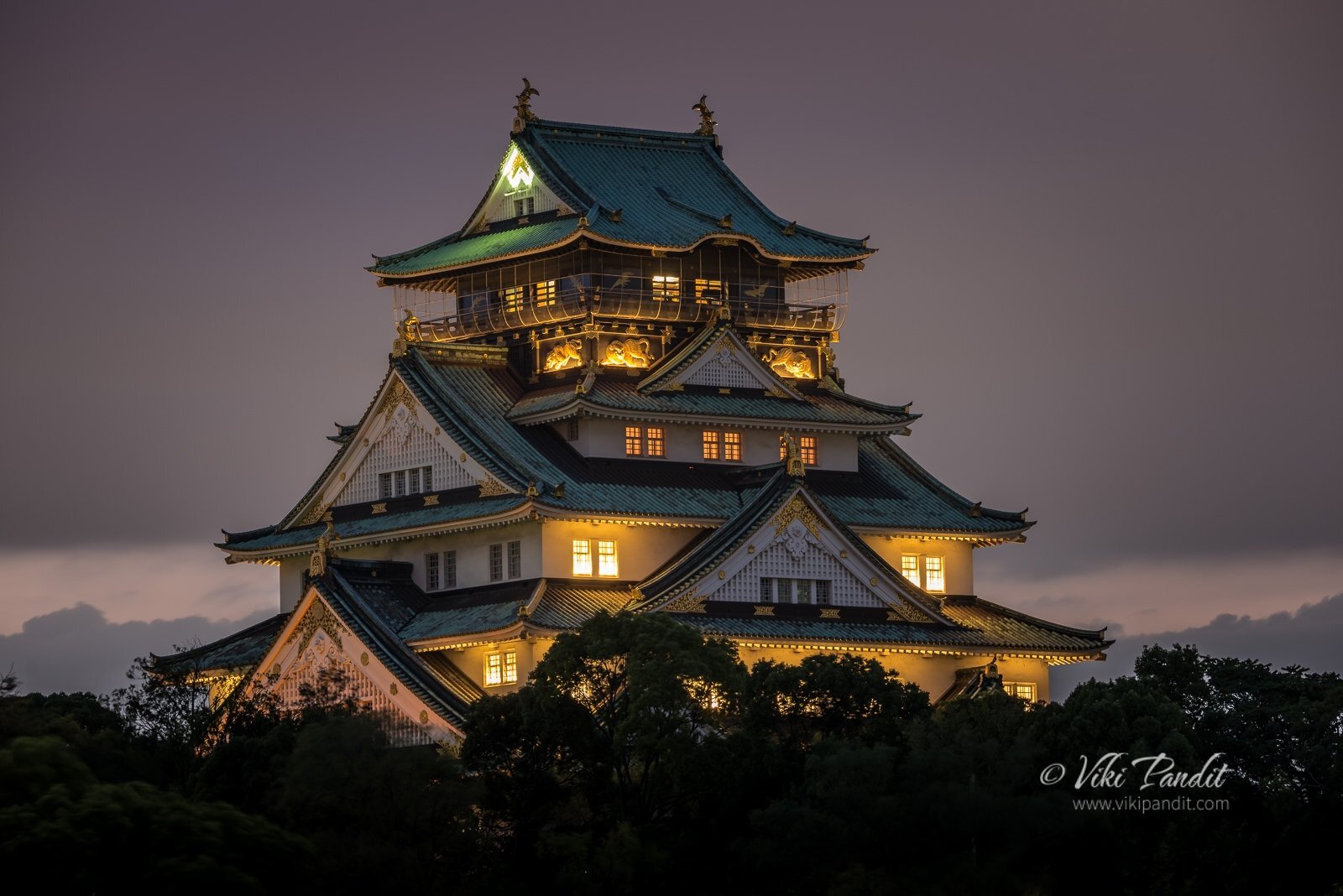
Osaka Castle sits at the heart of a city widely noted for its food culture, directness, and street-level energy, anchoring a vast public park that functions as a genuine communal space rather than a roped-off monument. The castle district occupies a raised position in Chuo Ward, enclosed by stone walls and wide moats that lend the area a distinct character within what is otherwise one of Japan's most densely built urban environments.
Beyond the castle grounds, the surrounding neighborhoods offer an unusually varied range of experiences within a short walk or metro ride. Covered food markets, historic shopping streets, and contemporary riverside districts sit in close proximity, making the castle area a practical base for exploring the city broadly rather than a single-purpose stop on a sightseeing checklist.
First-time visitors tend to find the area more walkable and manageable than they expect. The park provides a genuine green space where the pace slows noticeably, and the local rhythm — unhurried in the mornings, lively by evening — suits travelers who prefer to move at their own speed.
Getting there and getting around
From Tokyo, the Shinkansen reaches Shin-Osaka in roughly two and a half hours, and the castle area is then accessible by metro in well under twenty minutes. Travelers arriving at Kansai International Airport can take the Haruka limited express toward Osaka Station or connect via Nankai to Namba, with journey times typically ranging from fifty minutes to just over an hour depending on the service. Itami Airport, which serves many domestic routes, is generally closer to central Osaka and connects by monorail, rail, or dedicated bus services. From Kyoto, frequent JR and private rail options put the area within about thirty to forty minutes.
Osaka Metro covers the city comprehensively, and the castle area is served by multiple lines — including the JR Osaka Loop Line and Osaka Metro Tanimachi and Chuo lines — making transfers to Namba, Umeda, and Tennoji straightforward. Day passes for the metro are available for visitors who plan to use it extensively, and fares and pass options are worth checking locally as they can vary. Within the castle park and the immediately surrounding streets, walking suits the area well, and the flat terrain is manageable for most visitors. Bicycle rental is available at multiple points around the city, and Osaka's relatively grid-like layout makes cycling a practical option for exploring adjacent neighborhoods at a slower pace.
Kuromon Market — Nipponbashi Station (2 min walk)
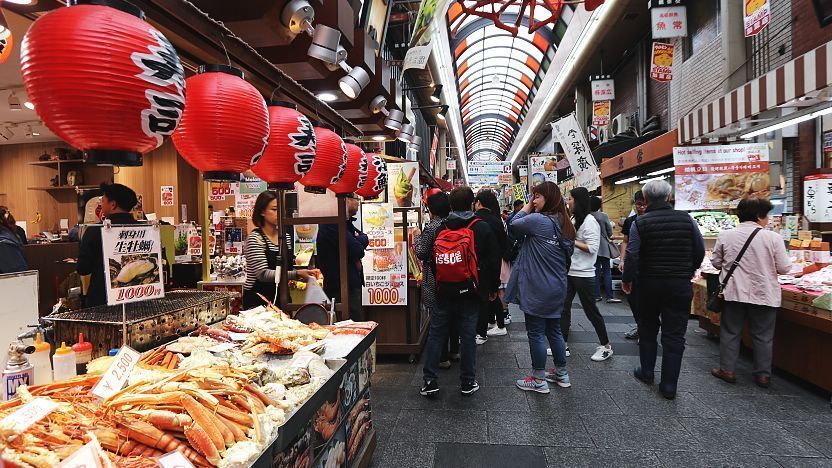
Kuromon Market is Osaka's legendary covered food arcade, just two minutes from Nipponbashi Station.
Over 170 stalls line a covered arcade with fresh seafood, produce, and ready-to-eat snacks. Eat-as-you-walk culture lets you graze on grilled scallops, giant shrimp, and fresh tuna sashimi. Prices are clearly displayed and generally affordable compared to sit-down restaurants nearby. Morning hours mean produce and seafood are at their freshest straight from the vendors.
Vendors here are tourist-ready, with clear pricing and plenty of grab-and-go bites to try.
DoubleTree by Hilton Osaka Castle — Tanimachi 4-chome Station (Osaka Metro Tanimachi/Chuo Line) (5 min walk)
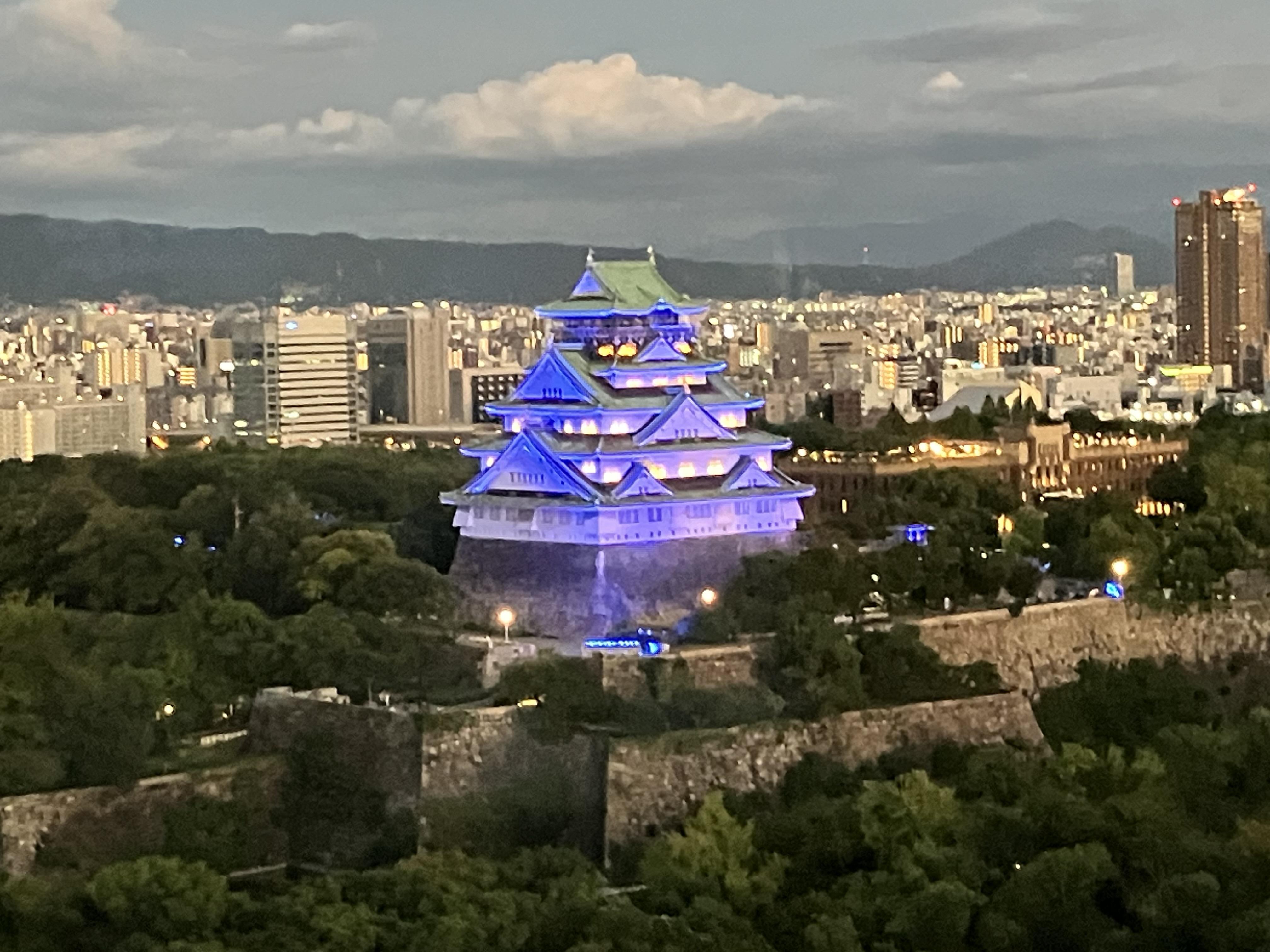
DoubleTree by Hilton Osaka Castle is a sleek full-service hotel right beside iconic Osaka Castle.
Directly overlooks Osaka Castle — many rooms offer unobstructed castle and park views. Spacious, contemporary rooms with floor-to-ceiling windows and quality bedding. Central Chuo Ward location puts major sights, Namba, and Shinsaibashi within easy reach. Hilton's signature warm chocolate-chip cookie welcome at check-in. On-site restaurant and bar with local and international menu options.
English-friendly Hilton service and Honors points make this an effortless choice for international travelers.
Osaka Castle — Osakajojo-Koen (JR Osaka Loop Line) (5 min walk)
Osaka Castle is a iconic 16th-century fortress sitting right in the heart of Osaka, Japan.
Iconic 16th-century castle tower rebuilt in 1931, housing a multi-floor history museum inside. Expansive park grounds with impressive stone walls and wide moats perfect for a scenic walk. Panoramic views of Osaka's skyline from the top observation floor. Cherry blossom and plum tree groves make the grounds especially lively in spring. Free park entry; castle tower admission is ¥1,200 for adults (¥600 for high school and university students with ID, free for junior high and younger), as listed on osakacastle.net and checked on 15 September 2026.
With English guides, easy train access, and free park entry, it's a must-visit landmark.
When to visit and where to stay
Spring, roughly late March through early April, draws visitors to the castle park for cherry blossom viewing, and the grounds can become lively during peak bloom. Autumn, from mid-October through November, brings cooler temperatures and foliage that complements the castle's stone architecture, with crowds that tend to be lighter than in spring. Summer is warm and humid, with traditional festivals adding to the city's energy, though heat and occasional rain are worth factoring into plans. Winter sees fewer visitors and offers a quieter version of the park, with some years producing atmospheric cold mornings around the moats. June through early July is the rainy season, and while showers often pass quickly, bringing a compact umbrella is advisable.
Chuo Ward, which contains the castle itself, is a practical choice for visitors who want to walk to the park and reach nearby markets and Shinsaibashi without long commutes; its central metro connections also support day trips in multiple directions. Namba and the surrounding Minami area to the south offer a denser and noisier environment that suits visitors who want proximity to Osaka's concentrated nightlife and street-food scene, with the castle accessible by a short metro ride. Umeda and the Kita district to the north function as the city's main business and transport hub, with Shin-Osaka nearby for Shinkansen access and a wide range of accommodation clustered around the major station complex. Tennoji, to the southwest, is a quieter residential and cultural area with its own park and market scene, and tends to attract visitors who prefer a calmer base while still having straightforward metro access to the castle area.